Hello! WhatsApp
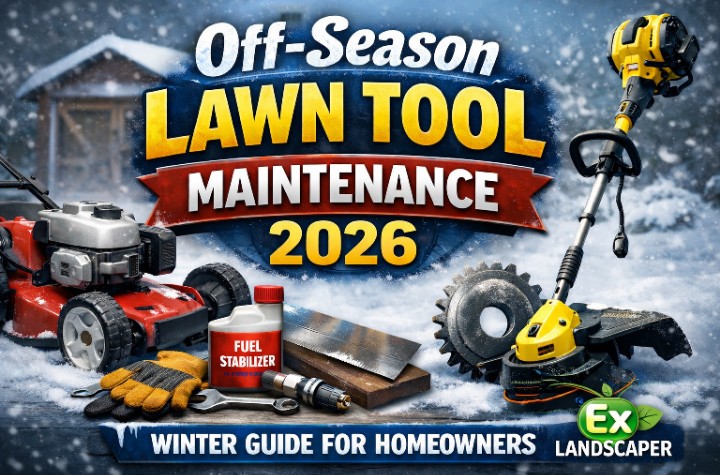
Winter’s almost here. Your lawn tools? They need help.
Look, you dropped serious cash on that mower. Probably got a trimmer sitting there too. These machines busted their backs all season long. Now they deserve a break and some TLC before the freeze hits.
Here’s what bugs me. People spend hundreds on equipment, then just toss it in the garage. Come spring, nothing works. Rusty blades everywhere. Dead batteries. Engines that won’t turn over no matter how hard you pull that cord.
Want to skip that nightmare? Give me 20 minutes. I’ll walk you through protecting every dollar you spent. No fancy mechanic talk. Just real steps that actually work. Your March-self will be grinning when everything fires up perfectly.
Ready? Let’s winterize these tools the right way.
WHY OFF-SEASON MAINTENANCE MATTERS
Think about what you paid for equipment. Mowers aren’t cheap. Good ones cost real money.
Proper maintenance significantly extends equipment lifespan. Quality mowers typically last 8-12 years with proper care vs 4-6 years neglected. Do the math yourself. Spending a few hours now beats shelling out $500-$2,000 for replacements.
Winter absolutely hammers outdoor gear. Moisture sneaks into every crack and crevice. Leftover fuel transforms into sticky gunk. Metal surfaces begin corroding the second temps drop. Those temperature jumps between day and night? They wreck internal parts you’ll never even see.
Good news though. You can prevent basically all of that.
Maintained tools just perform better. Sharp blades slice through grass instead of ripping it apart. Fresh oil keeps your engine purring like new. Charged batteries crank instantly when needed.
Then there’s safety. Nobody talks about this enough. Dull blades can kick debris at your face. Loose bolts mean flying metal chunks. Stale fuel literally creates explosion risks. Handling these dangers now keeps your legs attached come mowing season.
Your lawn notices the difference too. Equipment running right gives you that golf-course look. Sharp cuts mean healthier grass blades. Even fertilizer spreaders work better when maintained. Quality tools equal quality yards.
Oh, and Mother Nature appreciates maintained equipment. Less wasted gas. Cleaner air from fewer emissions. Efficient machines don’t work harder, they work smarter.
Sources: Koenig Equipment, Bobby Ford Kubota, LawnStarter,Lawn Love
ESSENTIAL PREPARATION STEPS
Prepping tools for winter isn’t rocket science. Just takes elbow grease.
Cleaning and Debris Removal
First up, scrape off every bit of crud. Grass clippings glue themselves everywhere. Dirt packs into weird corners. Mud loves hiding under mower decks.
Grab yourself a putty knife for the stuck stuff. Wire brushes handle stubborn spots beautifully. That mower deck underneath needs special attention. Built-up grass traps water and starts rust colonies fast.
Hit everything with soapy water next. Just keep spray away from anything electrical. Got oily buildup? Grab some degreaser. Then dry absolutely everything before moving on.
Simple truth: clean tools outlive dirty ones every single time.
Comprehensive Inspection
Eyeball each tool carefully while you’re cleaning. Blades getting chipped or cracked? Belts showing wear patterns? Tires holding proper air pressure?
Snug up loose bolts wherever you spot them. Check cables for fraying or damage. Yank those spark plugs out and inspect them closely.
Jot down every problem you find. Either fix stuff now or order replacement parts during winter months. Honestly, prices usually drop off-season anyway.
Catching problems early stops expensive disasters later.
Fuel System Management
Stale gas will destroy your equipment faster than anything. It spoils in like 30 days flat. Then clogs up your whole fuel system.
Pick one of these two paths.
1. Complete Drain
Run your engine until it dies from starvation. Drain whatever fuel’s still in the tank. Fire it up again to burn residual gas. Works perfectly for storage in unheated spaces.
2. Stabilizer Route
Pour fuel stabilizer into a full tank. Let the engine run for 10 minutes straight. Treated fuel cycles through your entire system. Better choice for temperature-controlled storage areas.
Untreated gasoline is the leading cause of spring starting difficulties. Seriously, never ever skip this step.
Quick Reference for Prep Work:
Debris removal takes 15-30 minutes and it’s easy but absolutely critical. Full inspection needs 30-45 minutes, moderate difficulty, also critical. Fuel management runs 10-20 minutes, easy level, critically important. Sharpening blades requires 20-40 minutes at moderate difficulty with high priority. Oil changes take 15-25 minutes, easy to do, high importance.
Sources: Nichols Equipment, Reddit – r/smallengines
TOOL-SPECIFIC MAINTENANCE GUIDE
Each tool has unique needs. Here’s the breakdown.
Lawn Mower Maintenance
Mowers work hardest so they need the most love.
Engine Oil Change
Old oil collects nasty stuff that eats away at metal. Swap it out before winter even if you just changed it recently. Warm up the engine briefly first. Heated oil flows out cleaner and faster. Refill using manufacturer-recommended oil. Drop your old oil at recycling spots.
Blade Service
Pull that blade off and sharpen it properly. Maintain somewhere between 30-45 degrees angle-wise. Files or grinders both work fine. Balance it afterward because wobbly blades destroy bearings. Badly beat-up blades? Just replace them outright instead of sharpening.
Deck Cleaning and Protection
Scrape every single grass chunk from underneath that deck. I mean everything. Slap on some vegetable oil or specialized deck spray afterward to block rust. Car wax works great too if that’s what you’ve got.
Air Filter Maintenance
Pop out your air filter and examine it. Paper filters get replaced. Foam ones get washed with soap and water. Let everything dry completely. Clean filters guarantee easy spring startups.
Battery Care
Yank batteries out of electric-start models. Stash them somewhere cool and dry. Charge monthly using a trickle charger. Scrub terminals using a wire brush. Smear on dielectric grease for protection.
Spark Plug Service
Extract your spark plug. Clean it thoroughly or swap in a new one if it’s worn. Some folks drip a little oil into the cylinder. Then they pull the starter cord several times. Prevents cylinder wall rust during storage.
Sources: LawnStarter
String Trimmer Maintenance
Trimmers need less fussing but still deserve attention.
Cutting Head Cleaning
Remove all old trimmer line. Clean out packed debris. Test the bump mechanism for proper function. Swap out wimpy springs. Squirt light machine oil on moving parts.
Blade Sharpening
Blade-style trimmers need sharp cutting edges. Unbolt the blade. Sharpen using a file while keeping original angles. Balance before reinstalling.
Air Filter and Spark Arrestor
Clean your air filter or throw in a new one. Pull out that spark arrestor screen. Scrub away carbon deposits because they choke exhaust flow and kill power.
Fuel System
Drain everything from 2-stroke trimmers. Oil-fuel mixture spoils faster than regular gas. Four-stroke models either get stabilizer or complete drainage.
Handle and Shield Check
Tighten wobbly handles. Hunt for cracks in safety shields. Replace worn safety equipment before next season starts.
Spreader and Other Equipment
Broadcast Spreaders
Empty every bit of fertilizer or seed out. Leftover material sucks in moisture and causes serious rust. Wash the whole thing thoroughly. Focus on hopper and distribution mechanisms. Oil wheels and moving parts. Store inside or under good covers.
Aerators
Clean tines until they’re spotless. Remove all dirt and stuck debris. Sharpen dull tines or buy new ones. Lubricate moving components. Inspect bearings for wear.
Hedge Trimmers
Wash blades with soapy water. Dry them completely. Sharpen using a mill file. Apply machine oil to prevent rusting. Gas-powered versions need fuel system care too.
Leaf Blowers
Empty fuel or add stabilizer. Clean air intake screens and cooling vents. Check blower tubes for any cracking. Verify mounting bolts are snug.
What Maintenance Prevents and Saves:
Lawn mowers need oil changes and blade sharpening. This prevents engine damage and poor cutting quality while saving you $300-$800. String trimmers require fuel draining and head cleaning to avoid carburetor failure and line feeding problems, saving $100-$200. Spreaders need residue removal and lubrication to prevent corrosion and stuck mechanisms, saving $50-$150. Aerators demand tine cleaning and sharpening to stop ineffective aeration and broken tines, potentially saving $200-$400.
SMART STORAGE SOLUTIONS
Where you park your tools matters just as much as prep work.
Location Selection
Keep everything somewhere dry and protected. Garages work great. So do sheds or covered areas. Climate control helps tremendously by preventing wild temperature swings.
Get stuff off damp floors using pallets, shelving, or wall hooks. Wet concrete absolutely murders metal components.
Outdoor storage should be your absolute last resort. If that’s your only option then buy quality waterproof covers. Just make sure air circulates because trapped moisture causes major headaches.
Positioning and Organization
Store strategically for both protection and convenience.
Hang trimmers and blowers on sturdy wall hooks. Saves tons of floor space. Set mowers on wooden boards to prevent tire flat-spotting. Never pile heavy junk on top of equipment. Weight crushes plastic components.
Keep frequently-used items near the front. Make separate zones for different tool categories. Group similar equipment together. Maintain clear walkways for safe movement.
Smart organization makes spring preparation way less frustrating.
Environmental Protection
Control storage conditions as much as physically possible.
Toss desiccant packs into enclosed spaces. They suck up moisture from the air. Dehumidifiers help tons too. Stay away from areas experiencing crazy temperature fluctuations.
Watch for rodent activity. Those little jerks chew through wiring and fuel lines. Seal up openings and set out deterrents. Drape breathable fabric over equipment.
Maybe install proper shelving systems built specifically for lawn equipment. Good organization stretches tool lifespan and cuts down on headaches.
Security Measures
Your gear’s valuable. Don’t make it easy for thieves.
Always lock storage buildings. Use cable locks on pricey mowers. Pull ignition keys and store them somewhere else. Snap photos and write down serial numbers for insurance claims.
Lawn equipment gets swiped constantly. Basic security protects what you worked hard to buy.
Sources: Briggs & Stratton
COMMON MISTAKES TO AVOID
Even experienced homeowners mess these up regularly.
Skipping oil changes ranks as the biggest mistake. Old oil accelerates corrosion while equipment sits. Change it every single time before winter arrives.
Leaving fuel untreated absolutely kills equipment. Untreated gasoline is the leading cause of spring starting difficulties. Always drain completely or use quality stabilizer.
Storing equipment with filthy decks traps moisture directly against metal. Rust chews through deck structure over months of storage.
Ignoring battery maintenance guarantees dead batteries come springtime. Pull them out and maintain separately.
Delaying repairs transforms minor issues into major failures. Fix problems immediately instead of waiting around.
Using wrong storage positions causes fuel or oil leaks. These leaks damage components they should never contact.
Sources: Nichols Equipment
F A Q
How long can I store equipment with fuel stabilizer?
Quality stabilizers protect gasoline for 12-24 months when applied correctly. Draining fuel completely remains safest for equipment stored beyond one season. Extreme temperature areas make draining even more crucial.
Should I run my mower during winter?
Absolutely not. Starting equipment in winter without complete warm-up cycles introduces moisture into engines and exhausts. That moisture triggers rust formation. Proper fall preparation eliminates any need for winter operation.
Can I sharpen mower blades myself?
Most folks handle it fine. Use a file or angle grinder. Maintain the factory blade angle around 30-45 degrees. Balance afterward because unbalanced blades vibrate bearings apart. Feeling unsure? Professionals charge reasonable rates for sharpening services.
What prevents rust on metal surfaces best?
Clean surfaces thoroughly as your first step. Dry everything completely. Apply protective coatings next. Light machine oil does the job. WD-40 or specialized rust sprays work too. For mower decks specifically, try vegetable oil or automotive wax.
When do I need professional service?
Seek expert help for engine troubles beyond basic maintenance. Transmission problems need professional eyes. Significant damage requires trained technicians. Annual professional tune-ups complement your home maintenance efforts nicely.
Sources: CarParts.com, Reddit – r/Generator
THE END
Off-season care isn’t just another weekend chore. It’s protecting hard-earned money already spent.
Investing a few winter hours adds literal years to equipment lifespan. Repairs happen less frequently. Spring startup becomes effortless and reliable. Your lawn receives the quality attention it truly deserves.
Get started today. Round up your equipment and tackle these steps systematically. Clean everything thoroughly. Inspect with care. Manage fuel correctly. Store intelligently.
When spring finally arrives, everything works flawlessly. You’ll feel glad about investing this time now.
We believe strongly at Ex Landscaper that smart preparation beats frustrated troubleshooting every single time. Care for your tools properly this winter. Enjoy worry-free lawn maintenance for many seasons ahead.
Browse our spring preparation guide and seasonal grass care resources. Protect your equipment investment now. That beautiful lawn you’re dreaming about is waiting. Thanks for reading. And if you have any question just comment bellow. Bye Bye