
Weeds are stubborn. Anyone with a lawn knows that feeling.
You spend a weekend getting everything neat. Then two weeks later, crabgrass is back. Dandelions popping up everywhere. It’s genuinely frustrating.
Most people grab a chemical spray and call it done. But those products come with a cost. They can hurt bees and butterflies. Dogs that roll on treated grass can get sick. And over time, the soil gets weaker.
So what actually works without all that risk?
Organic pre-emergents. They stop weeds before they even break through the dirt. No sprays with long chemical names. No warning labels telling kids to stay off the lawn for 48 hours.
Here at Ex Landscaper, we have helped a lot of homeowners make this switch. It takes a little planning but the results are real. This guide walks you through everything for 2026.

What Does a Pre-Emergent Herbicide Actually Do?
Think of it like a barrier under the soil.
A pre-emergent does not touch weeds that are already growing. That’s a different product called a post-emergent. What a pre-emergent does is stop new seeds from rooting. The seed tries to sprout, hits the barrier, and fails.
Natural versions work by releasing certain proteins into the soil. Those proteins mess with root formation. The seed never gets a chance to anchor itself.
One thing most people get wrong is timing. Apply too late and seeds are already rooted. Miss the window completely and you’re just spreading product with no benefit.
The right time for spring application is when forsythia starts blooming. That usually means soil temp is hitting 55°F. Fall gets a second round around mid-August. Mark it on your phone. Seriously. (how pre-emergent timing works)
Which Organic Options Are Worth Your Money?
There are a few solid choices. Here’s a quick look before we get into details.
Corn Gluten Meal
– What It Does: Stops seeds from forming roots
– How Much to Use: 20 lbs per 1,000 sq ft
– Best For: Lawns and turf areas
– The Downside: Blocks grass seed too
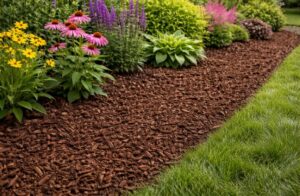
Organic Mulch
– What It Does: Cuts off light to weed seeds
– How Much to Use: 2 to 3 inch thick layer
– Best For: Garden beds and borders
– The Downside: Needs regular reapplication
Horticultural Vinegar
– What It Does: Dries out emerging shoots
– How Much to Use: Spray directly on target area
– Best For: Cracks, driveways, edges
– The Downside: Affects soil pH over time
Corn Gluten Meal: Worth the Hype?
Yes. Actually yes.
Iowa State University researchers stumbled onto this one. They noticed corn gluten meal was stopping seeds from rooting in their test plots. Turns out it releases dipeptides that interfere with root development at germination. (Iowa State University CGM research)
Real-world results show 50 to 60% weed reduction in the first year. By year three, that number climbs much higher. It keeps improving the more consistently you use it. (CGM effectiveness over time)
Apply 20 pounds for every 1,000 square feet. Water lightly right after. Then let it sit and dry for two days without more rain or watering. That dry period matters.
Here’s the part people don’t expect. Corn gluten meal is about 10% nitrogen. So while it’s blocking weeds it’s also feeding your grass. Two benefits in one bag.
The catch? It doesn’t care whose seeds it’s stopping. Grass seed, flower seed, weed seed same result. If you recently overseeded your lawn, wait at least 4 to 6 weeks before applying CGM. Otherwise you’re throwing money at a problem you just created.
Organic Mulch: Old School but Still Works
Mulch doesn’t need much introduction. It’s been used in gardens forever and for good reason.
When you lay a thick layer of straw or wood chips, weed seeds sitting near the surface don’t get enough light to germinate. No light, no sprout. Simple as that.
A 2 to 3 inch layer does the job well. Thinner than that and light sneaks through. Thicker and water has trouble reaching plant roots.
Research backs this up too. Consistent mulching blocks around 80% of surface weed growth. That’s a big number for something you can pick up at any garden center. (organic mulch weed control research)
The bonus nobody talks about enough: as mulch breaks down it feeds your soil. Earthworms move in. Soil structure improves. Your whole garden gets healthier season by season.
Yes it takes some work to spread. And you’ll need to top it off once or twice a year. But the long-term payoff is worth it.
Vinegar: Useful but Know the Limits
Horticultural vinegar with 20 to 30% acetic acid can work on emerging weed shoots. Regular white vinegar from your kitchen at 5% won’t cut it here.
Spray it on a hot sunny day when the weeds are just starting to peek through. The heat makes it more effective. It basically burns and dries the plant out before it gets established. (vinegar as natural weed killer)
But this isn’t a lawn product. High-acid vinegar will hurt grass too. It can also shift soil pH if you use it repeatedly in the same spot. Save this one for fence lines, cracks in your driveway, or gravel paths where grass isn’t growing.
Think of it as a targeted tool, not a broadcast solution.
A Few Other Natural Methods to Know About
Clove oil has gotten some attention lately as a natural contact herbicide. It works on the same principle as vinegar. It dries out plant tissue fast. Some organic gardeners mix it with water and soap for a DIY spray.
Flame weeding is another option you might hear about. A propane torch passed quickly over young weeds disrupts the cell structure. It’s more useful as a post-emergent method though. The pre-emergent benefit is pretty minimal. (natural weed control methods compared)

When to Apply and How to Get the Timing Right
Spring window: Watch your neighborhood forsythia. When those yellow flowers show up, soil temps are close to 55°F in most regions. That’s your signal to get corn gluten meal or mulch down fast.
Fall window: Mid-August is the target for most of the country. This round goes after winter annual weeds before they set up for the colder months.
Always follow the recommended dose on the bag. Dumping extra CGM doesn’t mean extra protection. Too thick a layer can actually crust over and block water from reaching the grass below.
Climate matters here. In colder USDA zones like 3 to 5, your spring window comes a little later. In warmer zones like 8 to 10, fall treatment can shift into September. Check soil temp with a cheap thermometer if you’re unsure.
Stacking methods works really well. CGM for the lawn, mulch for the beds. Together they cover most of your weed pressure points without any synthetic chemistry.
How Do Organic Options Stack Up Against Chemical Ones?
Straight talk: chemical pre-emergents are stronger short-term. They can block 90 to 95% of weeds in one shot.
Organic methods run about 60 to 80% effective. That gap is real. But effectiveness isn’t the whole story.
Chemical herbicides don’t build anything. They control weeds this season and that’s it. Organic methods improve your soil each year. They protect pollinators. They’re safe for pets and kids the same day you apply them. And they don’t wash into storm drains when it rains.
For lawn areas, corn gluten meal is your best bet. For garden beds and around shrubs, mulch wins every time.
If your lawn has been on chemical treatment for years, give it a season or two. Organic methods perform better as soil biology recovers and improves.
FAQs
Will corn gluten meal kill my new grass seed?
It won’t kill existing grass. But yes, it will block new seed from rooting. CGM doesn’t pick favorites. Hold off on applying it for 4 to 6 weeks after any overseeding work.
How many times a year do I need to apply?
Two times covers it for most lawns. Early spring and mid-August. Those two applications hit both warm and cool season weed cycles.
What does corn gluten meal cost?
Expect to spend around $0.50 to $1.00 per square foot depending on brand and where you buy. Mulch pricing varies a lot by type and region. Yes, it costs more upfront than some chemical options. But healthy soil saves money on other lawn inputs over time. (corn gluten meal pricing guide)
Is it safe to spray vinegar across the whole lawn?
Don’t do it. The high acidity will damage grass and throw off your soil pH. Use it only in non-grass areas where precision matters more than coverage.
Conclusion
You don’t have to do everything at once. Start simple.
Pick up a bag of corn gluten meal before forsythia blooms this spring. Spread it at the right rate. Watch your timing. That’s it for round one.
Add mulch to your garden beds the same weekend. You’re already covering most of your weed pressure with two steps.
The results won’t be perfect in year one. They rarely are. But you’ll see the difference. And by year two, your soil is doing more of the work for you.
A chemical-free yard is possible. A lot of families are already making it work. Try it this season and drop a comment on the site to share what happened in your lawn. Thanks for reading and if you have any question just comment bellow. Bye Bye…