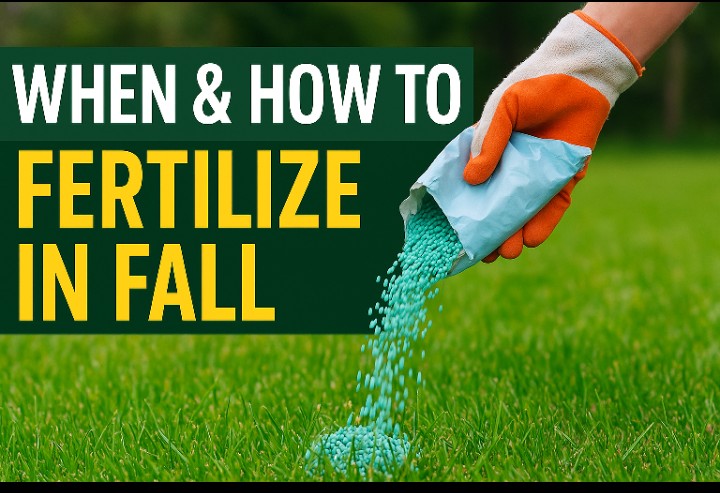
Fall’s finally rolled around. Your lawn desperately needs some serious attention right now. Summer was not exactly kind to your grass – far from it. The brutal heat really hammered it down hard. And now winter’s creeping closer every single day.
You know what? Think about fall fertilization like giving your lawn one massive hearty dinner right before it goes to bed for winter. Your grass absolutely needs that energy stockpile built up strong. This whole process helps it push through those punishing winter months ahead. When spring finally arrives, you’re going to notice the difference immediately – trust me on this.
Here is what bugs me though. Most homeowners just completely stop caring for their lawns the second summer wraps up. They figure all the work’s finished until next year rolls around. That’s genuinely one of the biggest mistakes you can possibly make. Your fall feeding? It’s honestly the most critical application you will do throughout the entire year.
I’m about to walk you through the exact timing and specific techniques that actually work in real life.
WHY FALL FERTILIZATION MATTERS
Your grass has genuinely been through absolute hell this summer. That relentless, unforgiving heat wore it down something fierce. Drought conditions made the whole situation about ten times worse than it needed to be. Then on top of everything else, you’ve got kids constantly running around and dogs playing nonstop every single day.
Right this very moment, your lawn’s completely exhausted and absolutely starving for nutrients. It’s basically sitting there begging you for one solid, substantial meal before it finally goes dormant for the entire winter season. For grass that you want to stay healthy, this feeding definitely isn’t something you can just skip and forget about.
Here is something really interesting about cool-season grasses that most people don’t realize. Kentucky bluegrass and various fescue varieties actually thrive best during fall weather conditions. The temperatures hit their perfect sweet spot during this season. They’re incredibly busy building extensive root systems and actively stockpiling massive energy reserves underground.
Fall feeding legitimately helps your lawn in three seriously major ways that matter. First thing – summer damage gets repaired surprisingly fast, way faster than most folks expect. Secondly, your winter hardiness and overall grass strength improve pretty dramatically across the board. Third big benefit – you are genuinely setting up the perfect stage for noticeably quicker spring green-up next year.
Lawns that receive proper fertilization during fall consistently show way faster spring green-up and significantly better overall turf density compared to untreated yards. That single fact gives you a genuine advantage over whatever your neighbors are going to see happening in their own yards come springtime.
Warm-season grasses operate on a completely different biological schedule though – totally opposite actually. Bermuda and zoysia varieties naturally start slowing down their growth during fall months. They are actively getting themselves ready for winter dormancy. So their actual fertilizer requirements drop off significantly during this period.
Getting your precise timing absolutely perfect is what genuinely matters most in this whole process. Apply stuff too early in the season and you’re basically wasting hard-earned cash while simultaneously damaging local environment. Wait way too late instead and you’re stuck dealing with frozen solid ground and completely useless fertilizer sitting on top doing absolutely nothing.
UNDERSTANDING YOUR GRASS TYPE: THE FOUNDATION OF FALL FERTILIZATION
All grass definitely is not created equal not even close. This single factor makes an absolutely massive difference when you are seriously planning your fall feeding strategy. You genuinely need to identify exactly what’s actually growing throughout your entire yard right now.
Cool-Season Grasses (Northern Grasses)
These particular varieties absolutely love experiencing cooler weather conditions. Kentucky bluegrass stands out as your classic textbook example here. Tall fescue and perennial ryegrass varieties pop up literally everywhere you look too.
Cool-season grasses experience two distinctly separate main growth spurts happening every single year without fail. Spring weather brings one of those growth periods. Fall consistently delivers the bigger, significantly more important growth phase overall.
September straight through November represents when these specific grasses really shine brightest. They are actively growing at peak rates and storing up carbohydrates like absolute crazy. Their extensive root systems are aggressively pushing way down deep into the soil layers below.
For these particular grass types, fall fertilization honestly is not negotiable whatsoever. Skip this step and next spring you’ll absolutely be kicking yourself hard. Your lawn simply will not bounce back anywhere near as quickly as it should.
Warm-Season Grasses (Southern Grasses)
Bermuda grass completely dominates throughout most southern residential lawns everywhere. St. Augustine grass stays consistently popular throughout the entire state of Florida. Zoysia grass performs really well in those notoriously tricky transition zones.
These specific varieties absolutely thrive best in serious heat and bright direct sunshine. May straight through August represents when they naturally grow their absolute best. Fall basically becomes their gradual wind-down period before dormancy.
Warm-season grass varieties naturally slow their active growth during fall months and honestly should only receive fertilization early in the season if there is genuine demonstrated need. Applying nutrients late can actually delay their natural dormancy process. That unfortunate timing leaves them incredibly vulnerable to potentially serious cold weather damage.
For these particular types, fall feeding genuinely stays completely optional. Only proceed if it’s truly necessary based on visible lawn condition. Put your primary focus squarely on spring and summer applications instead where it matters most.
Transition Zone Considerations
The middle geographical section of America gets pretty darn complicated for lawn care. Kansas, Missouri, and significant chunks of Maryland all sit squarely in this challenging zone. You might actually discover both grass types growing mixed together throughout your property.
This particular zone experiences absolutely blazing hot summers and then freezing brutally cold winters. Neither grass type fits the conditions perfectly throughout the year. So you definitely need to exercise extra careful attention with all your timing decisions here.
Hold off on everything until daytime temperatures consistently stay under eighty degrees for real. This climate shift typically happens somewhere around late August or early September in most areas. Then move forward really carefully based on whichever specific grass type clearly dominates your actual lawn.
WHEN TO FERTILIZE IN FALL: PERFECT TIMING GUIDE
With fall fertilization specifically, timing genuinely is absolutely everything that matters. Get this part right and your lawn will honestly flourish beautifully. Mess up the timing and you are basically just throwing money straight away for nothing.
Timing Based on Grass Type
Cool-Season Grasses Timing:
Your very first application definitely needs to happen during the early fall period. Shoot for somewhere between mid-August through early September for that crucial initial feeding. This smart timing puts you roughly six to eight full weeks ahead of first frost.
Soil temperature should sit comfortably between fifty and sixty-five degrees Fahrenheit. We are specifically talking about actual soil temperature readings here, not whatever the air happens to feel like outside. This precise range is exactly when grass roots become most biologically active underground.
The whole primary purpose at this particular stage is focused recovery and renewed growth. Your grass is finally bouncing back from accumulated summer stress damage. It’s ready to grow genuinely thick and develop real sustainable strength.
A second application later is optional but definitely beneficial overall. Apply your late fall fertilizer somewhere between mid-October and early November depending on location. Plan this application roughly two to three weeks before the ground actually freezes completely solid.
Soil temperature should still register somewhere above fifty degrees minimum at this point. This later feeding specifically targets pure root development exclusively. It builds crucial winter protection and creates stored spring energy reserves.
Warm-Season Grasses Timing:
For southern grass varieties, your available timing window gets considerably much tighter overall. Mid-August through early September is basically your entire window of opportunity. That’s literally it – nothing more. Dont even think about pushing things any later than that.
Soil temperature needs to measure somewhere between sixty-five to seventy-five degrees consistently. Your grass must still be growing somewhat actively during application. It needs sufficient remaining time to properly soak up applied nutrients before going dormant.
Late nitrogen fertilization can very seriously delay natural dormancy and dramatically ramp up winter damage susceptibility risk. This isn’t some joke – it’s serious business. You could actually kill entire visible patches of your lawn doing this wrong.
Regional Timing Variations
Northern Regions (North Dakota, Maine, Minnesota)
Way up in the northern states, fall weather arrives early and hits extremely hard. Northern geographical areas kick off fertilizing in mid-August once summer temperatures finally drop significantly. Everything wraps up completely by mid-September.
Labor Day weekend actually hits at the absolutely perfect moment up there for this. Take full advantage of that nice long weekend you have got available. Get your entire lawn properly fed before the snow starts flying everywhere.
Transition Zone (Kansas, Missouri, Maryland)
Middle geographical states enjoy a considerably more generous timing window overall. Cool-season grasses can successfully receive feeding from late August all the way through mid-November.
Watch your specific local weather patterns really closely though throughout this period. Wait for truly consistent cooler temperatures that stick around. One solid week of days staying below eighty degrees sends your clear signal to proceed.
Maryland operates under some pretty special rules you absolutely should know about beforehand. Maryland completely bans nitrogen fertilizer usage from November fifteenth straight through to March first. This regulation directly protects the Chesapeake Bay ecosystem from pollution. Always check your specific local regulations before purchasing any fertilizer products.
Southern Regions (Florida, Arizona, Texas)
Down in southern states, you have got considerably more flexibility with timing. September through October works really well for warm-season grass varieties.
Stay genuinely cautious with your nitrogen amounts though during this time. University of Arizona research specifically recommends keeping applications at maximum zero point two five to zero point five pounds nitrogen per thousand square feet.
Numerous Florida counties have mandatory summer fertilizer bans in place. This unfortunate restriction makes fall your absolutely critical feeding window. Stick strictly to early fall timing only.
Soil Temperature Guidelines
Why exactly does soil temperature matter this much to fertilization success? Because that’s literally where all your grass roots are actually living underground. Air temperature honestly tells you basically nothing useful whatsoever.
Grass roots completely stop all growth once temps drop below forty degrees Fahrenheit. When soil temperature falls below forty degrees, grass growth shuts down entirely. Any fertilizer you apply at that point just washes straight away.
Measuring soil temperature is actually pretty simple and straightforward. Pick up a basic soil thermometer from literally any garden center nearby. Push it down four inches deep in several different spots across your lawn. Take your readings during morning hours for best accuracy.
Cool-season grasses really prefer fifty-five to sixty-five degrees consistently. That’s their absolute sweet spot for optimal nutrient uptake. Warm-season grasses like things noticeably warmer, somewhere around sixty to seventy-five.
Frost Date Considerations
Your area’s first frost date basically determines your entire fertilization schedule. Look yours up online at the Farmer’s Almanac website easily. Just punch in your zip code.
Apply your fertilizer six to eight weeks before your area’s predicted first frost date. This gives grass adequate remaining time to absorb and actually use those nutrients.
For Minneapolis specifically, first frost typically hits around October tenth. So you’d fertilize by mid-August through early September. Des Moines sees first frost arriving October twenty-seventh. Target early to mid-September in that area.
Your final application should happen even earlier than that first frost. Stop all fertilizing two to three weeks before the ground actually freezes. After that point, you’ve genuinely missed your window.
When It’s Too Late to Fertilize
Never, ever fertilize frozen ground under any circumstances. Your grass simply can’t use it at all. Fertilizer dumped on frozen ground just runs off with snowmelt and pollutes local groundwater.
Dormant grass can not absorb nutrients either during this state. If your entire lawn has turned completely brown already, just skip it entirely. Wait until next spring rolls around instead.
Halloween makes a pretty good mental cutoff point for most northern areas. Generally you should avoid fertilizing after Halloween in northern regions. By that time, grass is already shutting down for winter.
Keep an eye on weather forecasts too throughout this period. If a hard freeze is predicted within the next week, don’t even bother. You’ll just waste your hard-earned money and damage the environment.
CHOOSING THE RIGHT FALL FERTILIZER: NPK FORMULAS EXPLAINED
Walk into literally any garden center and you will see dozens of different fertilizer options. Those bags all display three numbers prominently on the front. These numbers are absolutely crucial to understand.
Understanding NPK Ratios
NPK represents nitrogen, phosphorus, and potassium respectively. These are your three main plant nutrients. The numbers indicate the percentage of each one.
A bag marked twenty-eight-eight contains exactly twenty percent nitrogen. It’s got eight percent phosphorus and eight percent potassium. Everything else is basically filler material.
Nitrogen handles several really important biological jobs. It makes your grass blades grow green and lush looking. It’s hands down the most important nutrient for lawns. Too much creates serious problems though.
Phosphorus builds those strong root systems. Brand new grass seedlings desperately need it. Established lawns require less of it. Many states are restricting phosphorus usage now.
Potassium is basically the health nutrient. Potassium promotes proper cell function and helps tremendously with winter hardiness. It boosts disease resistance too.
Fertilizer Recommendations by Grass Type
Cool-Season Grasses:
Your early fall feeding requires high nitrogen content. Use formulas like twenty-eight-eight or twenty-four-zero-twelve for early fall applications. This really pushes growth and recovery.
Slow-release nitrogen works best at this stage. It feeds your grass gradually over several weeks. This dramatically reduces burn risk and delivers steady nutrition.
Late fall operates differently though. Switch over to phosphorus-rich formulas like thirteen-twenty-five-twelve in late fall. This builds roots without pushing excessive top growth.
Use quick-release nitrogen in smaller quantities now. Your grass needs rapid uptake before dormancy hits. Slow-release would basically waste nutrients sitting under snow.
Warm-Season Grasses:
These varieties need balanced or low-nitrogen formulas. Focus more on potassium rather than nitrogen. This properly prepares them for dormancy.
Skip nitrogen completely if you possibly can during fall. Use potassium-only fertilizer to help warm-season grass handle cold weather better.
If you absolutely must use nitrogen, keep amounts minimal. Texas A&M University research recommends quick-release forms only. Apply early in September at the very latest.
Phosphorus Restrictions
Many states are now banning or seriously limiting phosphorus fertilizers. This protects water quality in lakes and rivers throughout regions. Phosphorus triggers algae blooms that kill fish populations.
Maryland enforces particularly strict rules. Maryland bans phosphorus fertilizers year-round to protect the Chesapeake Bay ecosystem. Other states have implemented similar laws.
For phosphorus-free zones, use formulas like twenty-four-zero-twelve. Or try twenty-one-zero-twenty-one instead. These work great for established lawns anyway.
Only use phosphorus for brand new seeding or if soil tests clearly show deficiency. And only where your local laws actually allow it.
Slow-Release vs Quick-Release
Slow-release fertilizers feed your grass over extended time periods. They are specially coated or chemically modified. Nutrients gradually leak out over two to five months.
These are absolutely ideal for early fall applications. They significantly reduce burn risk. They also mean you are making fewer total applications. They do cost more per bag though.
Quick-release fertilizers dissolve almost immediately. Grass absorbs them within just days to weeks. They’re cheaper but definitely riskier.
Texas A&M research recommends quick-release nitrogen for warm-season grass fall feeding. This ensures proper uptake before dormancy actually begins.
Late fall applications should also use quick-release. You want those nutrients absorbed rapidly before freeze-up arrives. Slow-release would get wasted sitting under snow.
Organic vs Synthetic Options
Organic fertilizers come from completely natural sources. Milorganite is heat-treated sewage sludge. Corn gluten meal is another popular option.
Organic fertilizers typically use formulas somewhere around nine-twelve-six. They are lower concentration but way more environmentally friendly. They feed beneficial soil microbes too.
Synthetic fertilizers are manufactured chemicals. They are highly concentrated and incredibly fast-acting. They deliver quick visible results.
Both work perfectly fine for fall feeding. Choose based on your soil test results and personal preference. Organic takes longer but really improves soil health.
Application Rates
Getting your amount exactly right is absolutely critical. Too little just wastes your valuable time. Too much burns grass badly and pollutes water sources.
Apply one pound of nitrogen per thousand square feet per application. This is your standard rate for cool-season grass.
During fall, aim for two to three pounds total nitrogen per thousand square feet. Split this amount across your early and late applications.
Warm-season grasses need way less. Use about half that amount or even less. Remember, they are slowing down not growing actively.
Calculate your lawn’s square footage first. Measure length times width for rectangular areas. For irregular shapes, break them down into smaller rectangles.
HOW TO APPLY FALL FERTILIZER: STEP-BY-STEP APPLICATION GUIDE
You have got the right fertilizer at exactly the right time. Now you need to apply it properly. Poor application just wastes money and creates headaches.
Pre-Application Preparation
Lawn Preparation:
Mow your lawn right before you start fertilizing. Cut grass at whatever your normal mowing height is. This keeps everything tidy and accessible.
Clear away leaves and heavy debris really thoroughly. These materials block fertilizer from actually reaching soil. A simple rake-over usually handles this job.
Remove any thick thatch buildup you notice too. Excessive thatch seriously prevents fertilizer penetration. Dethatching might be necessary for badly neglected lawns.
Make absolutely sure grass blades are completely dry before applying. Wet grass causes fertilizer granules to stick badly. This creates uneven distribution and potential burning.
Soil Testing:
Here at Ex Landscaper, we always recommend soil testing first. This tells you exactly what your specific lawn needs. No guessing required whatsoever.
Home test kits cost somewhere between ten and twenty dollars. They are reasonably accurate for pH and basic nutrients. Professional testing costs more but provides way more detailed analysis.
Test at least every three years at minimum. More often if you’re experiencing problems. Fall is actually the absolute best time for testing.
pH matters tremendously for proper nutrient uptake. Most grasses strongly prefer six to seven pH. If yours is significantly off, fertilizer simply will not work properly.
Choosing the Right Spreader
You definitely need a spreader to apply fertilizer evenly. Hand spreading never works well at all. You will end up with stripes and completely missed spots.
Broadcast (Rotary) Spreaders:
These spreaders fling fertilizer out in a fan pattern. They are absolutely perfect for large lawns. You can cover serious ground quickly.
Walk-behind models are most common everywhere. Hand-held versions work fine for smaller areas. The fertilizer spreads eight to twelve feet wide.
Broadcast spreaders require thirty to fifty percent overlap between your passes. This ensures truly even coverage. They are harder to control near edges though.
Drop Spreaders:
Drop spreaders release fertilizer straight down below them. They are very precise but noticeably slower. The spread width equals exactly the spreader width.
These work great for small lawns and tight spaces. You get perfect edge control. They take more time and effort though.
You must overlap wheel marks exactly. Miss this and you will have obvious stripes. The precision is both a blessing and a curse.
Spreader Calibration
Every single spreader is different. Settings vary by brand and model. Even identical models might spread differently.
Calibration ensures you are applying the correct amount per thousand square feet. Without it, you are basically guessing blindly.
Check your fertilizer bag for recommended settings. Most list settings for common spreader brands. Start with whatever that recommendation is.
Test your spreader on a small area first. A ten-by-ten-foot square works perfectly. Weigh the fertilizer before and after.
Calculate what you actually applied. Compare this to what you should have applied. Adjust your spreader setting up or down accordingly.
The basic formula is pretty simple: Amount needed for one hundred square feet equals one hundred divided by total coverage times bag weight.
For example, a twenty-five-pound bag covering five thousand square feet needs zero point five pounds per one hundred square feet.
Application Techniques
For Broadcast Spreaders:
Start by spreading completely around your lawn’s perimeter. This creates a border to turn around in. Use the EdgeGuard feature if your spreader has one.
Then fill in the middle with straight passes. Walk at a steady pace. Vary your speed and application rate changes.
Overlap each pass by one to two feet for even coverage. This prevents obvious stripes. Mark your path with wheel tracks.
Shut off the spreader when stopping or turning. Otherwise you will dump huge piles of fertilizer. These create nasty brown burn spots.
For Drop Spreaders:
Apply header strips along two opposite ends. These give you turning space. Make them one spreader width wide.
Now go back and forth perpendicular to the headers. Overlap the wheel marks exactly. This is absolutely critical for even coverage.
Turn carefully within the header strips. Keep the spreader closed during turns. Open it only when moving forward.
Crisscross Method (Best Practice):
This is the absolute gold standard for even application. Set your spreader to exactly half the recommended rate. Apply fertilizer in one direction.
Then go perpendicular at the same half rate. You have now applied the full amount. But it’s distributed way more evenly.
This method takes longer but completely eliminates striping. It’s worth the extra time for perfect results.
Application Best Practices
Consistency is absolutely everything here. Walk at the same steady pace throughout. Slow down and you apply too much. Speed up and you apply too little.
Fill your spreader on a driveway or sidewalk. Put down a tarp if you possibly can. This catches spills really easily.
Wear gloves when handling any fertilizer. The chemicals can seriously irritate skin. Wash your hands thoroughly afterward.
Follow all label instructions exactly. They hare there for genuinely good reasons. Ignore them at your lawn’s peril.
Timing During the Day
The best time to fertilize is morning or evening. Avoid the hot middle of the day completely. High temperatures dramatically increase burn risk.
Morning dew actually helps quite a bit. It provides moisture to start dissolving granules. But grass blades should be dry to prevent clumping.
Cooler temperatures are absolutely ideal for application. The grass is actively growing but not stressed. Nutrients absorb efficiently.
Never apply in direct hot sunshine. This increases burn risk dramatically. Wait for clouds or shade.
Weather Considerations
Check your weather forecast carefully before applying anything. Never fertilize before heavy rain to avoid runoff. You will lose your fertilizer and pollute waterways.
Light rain within twenty-four hours is actually good. About one-quarter inch helps dissolve granules nicely. It waters fertilizer into the root zone.
But thunderstorms dump way too much way too fast. The fertilizer washes away before grass absorbs it. This wastes money and harms the environment.
Wind matters quite a bit too. Strong winds blow lightweight fertilizer around. Wait for calm days when possible.
POST-APPLICATION CARE
You have applied your fertilizer perfectly. The hard work is done. But a few finishing touches ensure best results.
Watering After Fertilization
Most granular fertilizers need watering to activate properly. Water lightly with about one-quarter inch after applying. This dissolves the granules.
Don’t soak the lawn though. Too much water leaches nutrients below roots. They’re wasted in the subsoil.
Some fertilizers don’t need watering. Milorganite is one example. Check your product label for specific instructions.
If rain is coming within twenty-four hours, skip watering entirely. Let nature do the work. Save yourself the time and effort.
Cleanup and Equipment Maintenance
Sweep any fertilizer off hard surfaces immediately. Clean sidewalks, driveways, and patios to prevent water pollution. Use a broom or leaf blower.
Don’t hose fertilizer into storm drains. Sweep it back onto the lawn instead. Or collect and save it.
Wash your spreader thoroughly after each use. Fertilizer residue corrodes spreader components over winter. Use a garden hose and scrub brush.
Let the spreader dry completely before storing. Moisture plus fertilizer residue equals rust. Store it in a dry garage or shed.
Oil any moving parts per manufacturer recommendations. Check wheels and gears for wear. Replace worn parts before next season.
Mowing After Fertilization
Wait twenty-four to forty-eight hours before mowing. Give fertilizer time to dissolve and settle. Let grass absorb some nutrients first.
Don’t mow too soon. Mower blades can spread granules around unevenly. This creates application problems.
Resume your normal mowing schedule after that. Keep cutting regularly until grass goes dormant. Maintain proper mowing height throughout fall.
Monitoring Lawn Response
Watch your lawn over the next few weeks. You should see increased green color. Growth will pick up noticeably.
Check for any brown spots or stripes. These indicate over-application or uneven spreading. Water these areas extra to dilute concentration.
Striping means your overlap was off. Make note for next application. Adjust your technique accordingly.
If nothing happens after three weeks, something’s wrong. Soil temperature might be too low. Or you might need a soil test.
SPECIAL SITUATIONS AND CONSIDERATIONS
Most lawns fit standard guidelines perfectly. But some situations need special handling.
Fall Overseeding with Fertilization
Many homeowners overseed their lawns in fall. This fills in thin or bare spots. New grass and fertilizer work great together.
You can fertilize and seed simultaneously. Use starter fertilizer when overseeding, typically sixteen-twenty-eight-twelve formula. This high phosphorus helps seedling roots.
Apply fertilizer right after spreading seed. Or wait until seedlings are one inch tall. Both methods work well.
Don’t use regular lawn fertilizer with new seed. The high nitrogen burns tender seedlings. Always use starter formula instead.
Water more frequently when overseeding. New grass needs consistent moisture. But keep watering light to avoid washout.
High-End Lawn Maintenance
Some homeowners maintain golf-course-quality lawns. These need more intensive care. Fall fertilization is even more critical.
Short, dense turf uses nutrients faster. Golf-course quality lawns require additional feeding and attention. You might need three fall applications.
Hungry grasses like Bermuda and St. Augustine need extra potassium. They are prone to winter damage without it. Don’t skimp on this nutrient.
Consider hiring professionals for high-end lawns. The investment pays off in results. They have equipment and expertise you might lack.
Florida’s Summer Fertilizer Ban
Florida has unique regulations. Many Florida counties ban fertilizer application from June through September. This protects water quality during rainy season.
This makes fall your main feeding window. You must fertilize in early October. There’s no second chance.
But be careful with timing still. Apply too early in hot weather and you cause problems. Wait for consistent cooler temperatures.
Check your specific county regulations. Rules vary across Florida. Some counties are stricter than others.
Environmental Responsibility
We all share responsibility for water quality. Use only necessary amounts to protect groundwater and surface water. More isn’t better with fertilizer.
Never apply fertilizer near water features. Keep a buffer zone along streams, ponds, and lakes. At least ten feet is good practice.
Dispose of excess fertilizer properly. Don’t dump it or flush it. Take it to a hazardous waste collection site.
Consider organic options when possible. They’re gentler on the environment. They build soil health for the long term.
COMMON MISTAKES TO AVOID
Even experienced homeowners make fertilizing mistakes. Learn from others errors. Save yourself time and money.
Timing Errors
The biggest mistake is fertilizing too early. Applying fertilizer during summer dormancy causes burn and runoff problems. Wait for consistent cool weather.
Fertilizing too late is equally bad. Grass can not absorb nutrients when soil temperature drops below forty degrees. You’re literally throwing money away.
Applying to frozen ground is the worst. The fertilizer just sits there until spring thaw. Then it all washes away at once.
Ignoring weather forecasts causes problems too. Check the forecast before every application. Adjust your plans accordingly.
Application Mistakes
Over-fertilization is surprisingly common. People think more is better. It’s not. Over-fertilization causes grass burn and environmental pollution.
Under-fertilization is wasteful too. You will not get desired results. You have spent time and money for nothing.
Uneven application creates striped lawns. This looks terrible and indicates poor technique. Calibrate your spreader and overlap properly.
Wrong spreader settings are easy to fix. Test your spreader first. Adjust as needed. Don’t trust default settings blindly.
Walking inconsistently causes uneven application. Maintain steady pace throughout. Pretend you are marching in a parade.
Product Selection Errors
Using wrong NPK ratios wastes money. Spring fertilizer does not work for fall. Fall fertilizer does not work for spring.
Selecting fertilizer unsuitable for your grass type causes problems. Know what you are growing. Read labels carefully.
Ignoring local restrictions can mean fines. Many areas regulate phosphorus and nitrogen. Check your local laws first.
Using expired fertilizer reduces effectiveness. Check manufacturing dates. Old fertilizer loses potency over time.
Preparation Failures
Skipping soil tests is like flying blind. You don’t know what your lawn actually needs. Testing costs little but saves much.
Not preparing the lawn wastes fertilizer. Long grass and thick debris block nutrient penetration. Prep properly first.
Failing to calibrate equipment guarantees problems. Every spreader is different. Test yours before full application.
Ignoring label instructions causes all sorts of issues. Read the entire label. Follow directions exactly.
SIGNS YOUR LAWN NEEDS FALL FERTILIZER
Not sure if your lawn needs feeding? Look for these telltale signs. They indicate nutrient deficiency clearly.
Slow growth is an obvious clue. Grass should be actively growing in early fall. If it’s stalled, nutrients are low.
Yellowish or fading grass color indicates nitrogen deficiency. Healthy grass is deep green. Light green or yellow means hunger.
Weeds increasing suddenly signals weakness. Strong, healthy grass crowds out weeds. Thin grass lets them invade.
Pest problems often follow nutrient deficiency. Weak grass attracts insects. They sense vulnerable plants somehow.
Thinning patches appear in nutrient-poor lawns. Grass gives up and dies out. Bare spots spread gradually.
Slow recovery from summer stress is telling. Your lawn should bounce back in fall. Continued brown spots mean trouble.
BENEFITS OF PROPER FALL FERTILIZATION
Fall feeding delivers benefits you will see for months. The investment pays off many times over.
Immediate Benefits
Your grass gets thicker fast. Increased density happens within weeks of application. The lawn fills in thin spots naturally.
Summer damage repairs quickly. Brown patches green up. Stressed areas recover strength.
Green color lasts longer into fall. Your lawn stays attractive after neighbors turn brown. This extended beauty is satisfying.
Roots regenerate vigorously. They push deeper into soil. This sets up next year’s growth.
Winter Protection
Properly fertilized grass shows increased winter hardiness. It tolerates cold better. Damage is minimal even in harsh weather.
Disease resistance improves significantly. Snow mold and other winter diseases can not take hold. Healthy grass fights them off.
Cold stress tolerance increases. Temperature swings don’t shock the grass. It weathers winter storms better.
Carbohydrate storage in roots provides energy reserves. Stored carbohydrates fuel early spring growth. Your lawn wakes up strong.
Spring Advantages
Spring green-up happens much faster. Well-fertilized lawns show earlier spring green-up and stronger emergence. You will be mowing while neighbors wait.
Roots grow stronger and deeper. This improves drought tolerance later. Deep roots access moisture better.
Turf becomes thicker and healthier. Density increases naturally. The lawn feels plush underfoot.
Weed competition ability improves. Thick grass crowds out dandelions and crabgrass. You need less herbicide.
Spring maintenance drops significantly. The lawn needs less help. It’s strong enough to thrive alone.
Long-Term Benefits
Overall lawn health improves year after year. Each fall feeding builds on the last. The compounding effect is remarkable.
Pest and disease resistance strengthens. Healthy grass fights off problems naturally. You spray less often.
Drought tolerance increases steadily. Deep roots access water other lawns can’t reach. Your grass stays green longer.
You need fewer corrective treatments overall. Problems decrease year by year. Maintenance becomes easier and cheaper.
THE END
Fall fertilization is not complicated. But it is important. Do it right and your lawn thanks you all year.
Remember the key points. Know your grass type first. This determines everything else.
Time your application based on soil temperature and frost dates. These are more reliable than calendar dates. Watch the weather carefully.
Choose appropriate fertilizer for your grass and timing. NPK ratios matter tremendously. Don’t use the same formula year-round.
Apply fertilizer evenly with calibrated equipment. Take time to do this right. Poor application wastes money and creates problems.
Your lawn is a long-term investment. Fall feeding protects that investment. It prepares grass for winter and sets up spring success.
Don’t skip this crucial step. Your lawn went through a lot this summer. It deserves one good meal before winter sleep.
Start planning your fall fertilization now. Check soil temperature. Find your frost date. Buy appropriate fertilizer.
Your spring lawn will be the envy of the neighborhood. That’s a promise worth keeping.
FAQ SECTION
How many times a year should I fertilize?
Cool-season grasses need two to four applications yearly. Focus on spring and fall mainly. Warm-season grasses prefer four applications. But concentrate them in spring and summer.
Does healthy lawn need fertilizer?
Yes, even healthy lawns benefit from feeding. Fertilizer increases disease resistance. It improves density and color too. Think of it as preventive maintenance.
Is spring and fall fertilizer the same?
No, they are quite different. NPK ratios vary by season. Spring fertilizer pushes growth. Fall fertilizer builds roots and reserves.
What happens if it’s too late?
Skip fertilizing if soil temperature drops below forty degrees. Wait until next spring instead. Late application wastes money and pollutes water.
Can I fertilize while overseeding?
Yes, but use starter fertilizer only. Regular lawn fertilizer burns new seedlings. Apply at seeding or when seedlings reach one inch.
How long after fertilizing can I mow?
Wait twenty-four to forty-eight hours minimum. This lets granules dissolve and settle. Then resume normal mowing schedule.
Should I fertilize before rain?
Light rain is good. About one-quarter inch helps activation. But never apply before heavy rain. The fertilizer washes away.
When is it safe for pets and children?
Wait until granules dissolve completely. Water the lawn after application. Once dry again, it’s safe. Usually twenty-four hours total.