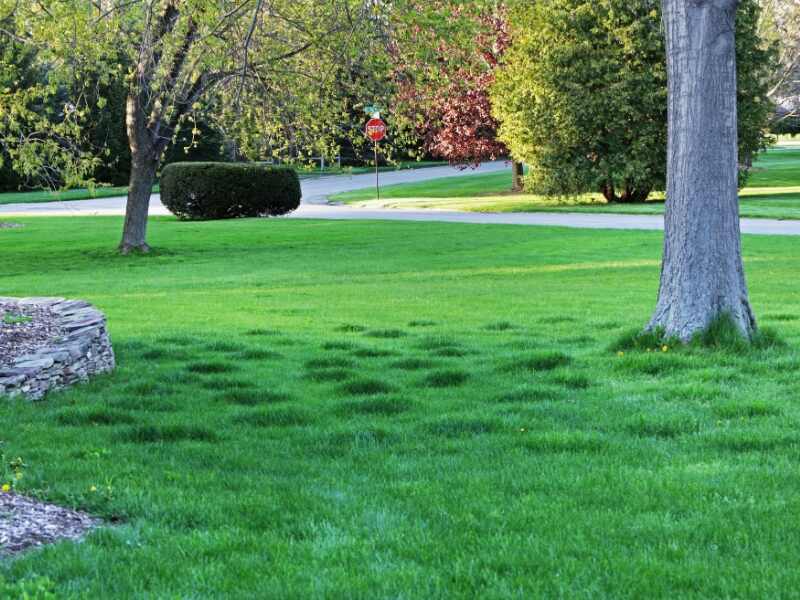
Late spring is when your lawn tells you exactly what it needs. Soil temperatures sit between 50 and 65°F. Cool-season grasses like Kentucky bluegrass and fescue are growing fast. This is the window. Miss it and summer heat will expose every weakness in your turf.
For Western homeowners in USDA Zones 5 through 7 this timing matters a lot. A few smart moves in April and May build the kind of root system that holds up when July arrives and rain gets scarce.
April and May Are the Right Time to Act
Cool-season grasses peak in spring. Roots go deep. Blades push hard. That energy is exactly what you want to direct before heat stress kicks in. Think of late spring as your lawn’s training season. You are not just maintaining it. You are building it up for what is ahead.
At Ex Landscaper we always say the homeowners who do the work in May are the ones posting green lawn photos in August.
Start With Cleanup and Dethatching
Winter leaves behind a mess. Dead grass. Compacted patches. A layer of thatch sitting between your soil and the air above it.
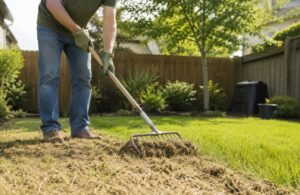
Thatch is that brown spongy buildup of dead grass and roots. A thin layer is fine. But when it gets thick water and nutrients cannot reach the soil properly. Pull out a small section with your fingers. If it feels dense and matted it is time to dethatch.
A dethatching rake works for smaller yards. A power dethatcher covers more ground faster. Either way clearing that layer opens things up so your lawn can actually breathe and absorb what you give it.
Read More: Aerate Your Lawn the Right Way Most Homeowners Get the Timing Wrong
Your Soil pH Matters More Than You Think
Before you add anything to your lawn test your soil. A basic test kit from a garden center costs very little and tells you a lot. Cool-season grasses grow best when soil pH sits between 6.0 and 7.0.
Too acidic and nutrients lock up in the soil. Your grass starves even if you fertilize. Too alkaline and you get the same problem from the other direction.
If pH is low add lime to bring it up. If it runs high apply sulfur to bring it down. This step is easy to skip. Most homeowners skip it. But it quietly controls how well everything else you do actually works.
Aeration Fixes What You Cannot See Underground
Foot traffic packs soil tight over time. Compacted soil blocks water from moving down to the roots. It blocks air too. Grass growing in compacted ground looks thin and tired even when you water and feed it regularly.
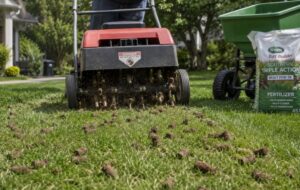
Core aeration pulls small plugs of soil out of the ground. Those holes let water move in. They let air circulate. Roots spread into the open space and go deeper.
Focus core aeration on spots that take the most traffic. The path between the driveway and the front door. The area kids cut across. High-traffic zones compact the fastest and benefit the most.
Leave the soil plugs on the lawn. They break down on their own and return organic matter back to the soil.
Read More: First Mow of Spring When and How to Cut Your Grass My Personal Guide
Mowing High Protects Your Lawn All Summer Long
Raise your mower deck. Set it to cut at 2.5 to 3 inches for fescue and bluegrass. That height is not just about looks. Taller grass shades the soil underneath. Shaded soil stays cooler and holds moisture longer. That directly cuts down on how much water your lawn loses on hot days.
Sharp mower blades matter too. Dull blades tear the grass instead of cutting it cleanly. Torn tips turn brown and create entry points for disease. Sharpen your blades at least once a season.
Never cut more than one-third of the blade height at once. If your grass got long while you were busy mow it down gradually over a few sessions instead of scalping it all at once.
Deep Watering Builds Stronger Roots
Shallow watering creates shallow roots. Shallow roots are the first to suffer when summer heat arrives and topsoil dries out.
Water deeply and less often. One to one and a half inches per week is the target for cool-season grasses. Apply it in the early morning. Morning watering gives the grass time to dry before evening which reduces disease pressure.
Let the soil dry out slightly between watering sessions. That slight stress actually pushes roots to grow downward looking for moisture. Deeper roots equal better drought tolerance. It sounds counterintuitive but it works.
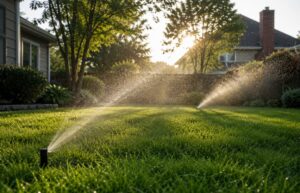
If you have an irrigation system now is a good time to check it. Walk each zone while it runs. Look for broken heads. Check for uneven coverage. Fix problems before summer when you will need the system to perform consistently.
Read More: Pre-Emergent Herbicides: Timing is Everything Homeowner Guide
Fertilizing After Aeration Gets the Best Results
Aeration opens channels straight into the root zone. Apply a slow-release nitrogen fertilizer right after you aerate and the nutrients go where they do the most good.
Slow-release formulas feed the lawn steadily over weeks instead of dumping everything at once. That steady feed promotes strong consistent growth without burning the grass or triggering a sudden flush of weak soft blades.
Do not over-fertilize in late spring. Too much nitrogen going into summer heat pushes growth that the grass cannot sustain. Follow the product rate on the label and resist the urge to add more.
Broadleaf Weeds Compete Directly With Your Grass
Dandelions. Clover. Plantain. These broadleaf weeds pull water and nutrients away from your turf. They spread faster in lawns that are thin or stressed.
Selective herbicides like 2,4-D target broadleaf weeds without harming cool-season grasses. Apply when weeds are actively growing and daytime temperatures stay below 85°F. Hot weather reduces effectiveness and increases the chance of grass damage.
Spot treat if weed pressure is light. Broadcast apply if weeds cover a large portion of the lawn. Either way late spring is good timing. Weeds are actively growing and more vulnerable.
Read More: Winter Lawn Care Tips Keep Your Grass Healthy
Thin Spots Need Overseeding Before Summer Arrives
Bare patches and thin areas will not fill in on their own before summer heat arrives. Give them a head start now.
Rake the area lightly to loosen the top layer of soil. Spread a quality grass seed matched to your existing turf type. Kentucky bluegrass seed for bluegrass areas. Turf-type tall fescue for fescue lawns. Keep the seeded area consistently moist until germination happens and seedlings establish.
Seed germinating in late spring has a few weeks to develop before heat stress begins. That small head start makes a real difference in survival rate.
Pest Monitoring Prevents Bigger Problems Later
Grubs and chinch bugs cause damage that looks like drought stress at first. Brown patches appear. Grass pulls up easily with no resistance. By the time the damage is obvious the population is already established.
Walk your lawn every week in late spring. Pull back sections of turf in struggling areas and look at the soil beneath. Finding a few grubs early is manageable. Ignoring them lets the population grow through summer.
If populations are low and damage is minimal hold off on treatment and monitor. If counts are high apply an appropriate insecticide early before larvae grow larger and harder to control.
Your Mower and Sprinkler System Deserve Attention Too
Equipment check is one of those tasks that gets pushed back every year. Do it now before the season gets busy.
Sharpen mower blades if you have not already. Check the oil. Clear the underside of the deck if old clippings have packed in. A mower running well makes every mowing session easier and produces cleaner cuts.
Walk your irrigation system through a full cycle. Look for leaks at the connection points. Check that each head rotates and distributes water evenly. A small leak running all season wastes a lot of water and can create wet spots that develop fungal disease.
Read More: Cool-Season Grass Comparison: Make your decision fast
A Green Lawn in August Starts With What You Do in May
Summer heat does not have to mean a brown lawn. Cool-season grasses in Zones 5 through 7 are built to handle heat when the root system is strong and the turf is properly conditioned going in.
Do the cleanup, Test the soil, Aerate, Raise the mower height. Water deep and infrequent. Feed smart. Control weeds early. Check for pests.
None of these steps are complicated. They do not take all weekend. But done together in late spring they build a lawn that resists drought browning and holds its color well into the summer months. Check your lawn weekly as temperatures rise and adjust watering as needed. That consistency is what separates a lawn that survives summer from one that thrives through it.
FAQs
What is the best time to start late spring lawn care?
Start when soil temperature hits 50 to 65°F. In USDA Zones 5 through 7 that usually falls between mid-April and late May. Cool-season grasses like Kentucky bluegrass and fescue grow hardest during this window. Acting now builds the root strength your lawn needs before summer heat arrives.
How much water does my lawn actually need each week?
One to one and a half inches per week is the right amount for cool-season grasses. Water deeply a few times a week rather than a little every day. Shallow daily watering keeps roots near the surface. Deep watering pushes roots down where soil stays moist longer. That difference matters a lot when July heat sets in.
Should I aerate and fertilize at the same time?
Yes and the order matters. Aerate first then fertilize right after. The holes left by core aeration act like direct channels into the root zone. A slow-release nitrogen fertilizer applied at that point goes exactly where it does the most good. Doing it in reverse or skipping aeration means a lot of that fertilizer just sits on top.
Is late spring a good time to overseed bare spots?
For thin patches and small bare areas yes. Spread seed matched to your existing grass type and keep it consistently moist until germination happens and seedlings establish. Fall remains the stronger season for large-scale overseeding with cool-season grasses. Late spring works for spot repairs but do not expect the same results as a fall seeding.
When should I treat for grubs and chinch bugs?
Start monitoring weekly in late spring. Pull back sections of struggling turf and check the soil underneath. If you spot grubs or signs of chinch bug damage early apply an appropriate insecticide before the population grows and gets harder to control. Low pressure in an otherwise healthy lawn can often be watched rather than treated right away.
Ok friend, Thanks for reading and if you have any questions just comment bellow. Bye bye………
Read More: When and How to Fertilize in Fall