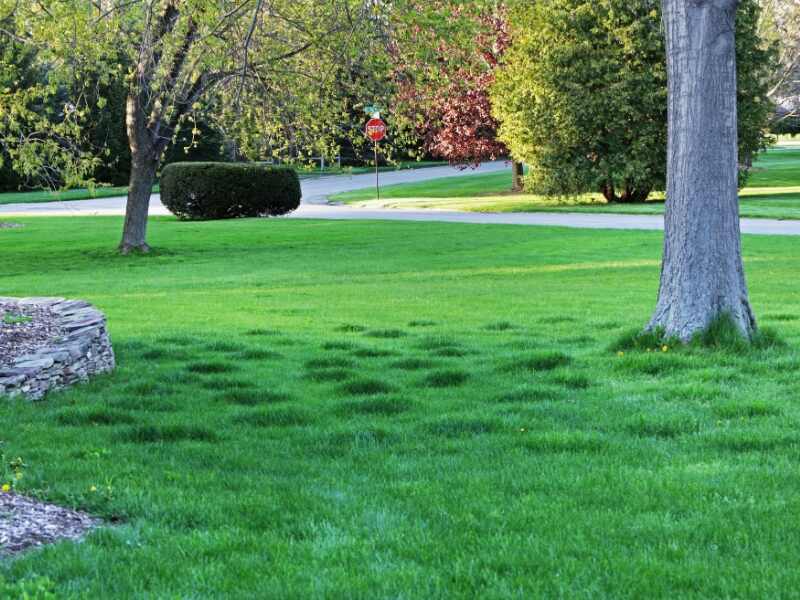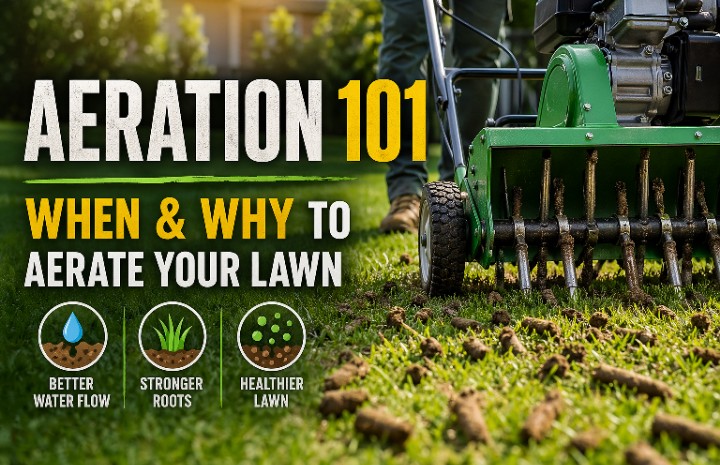
Your lawn might look fine from the outside. But underneath the soil could be slowly choking your grass roots. Roots need air, They need water need nutrients. And when soil gets packed too tight none of that gets through properly.
That is the problem aeration solves.
It’s not complicated not expensive. And at Ex Landscaper we think its one of the most underrated seasonal tasks a homeowner can do. Done at the right time, it supports healthier thicker grass without a lot of extra work on your end.
Let’s get into it.
What Does Lawn Aeration Actually Do?
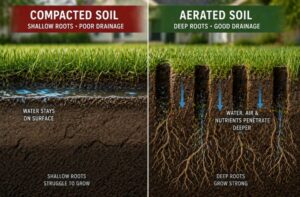
Now is the simple version. Aeration pulls small plugs of soil out of your lawn. Those holes let air, water and nutrients move down into the root zone instead of sitting on the surface.
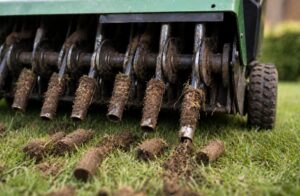
There are two types of aerators. A core aerator removes actual plugs of soil. A spike aerator just pokes holes. On compacted soil, always go with core aeration. Why? Because spike aeration pushes soil sideways. On already-dense ground, that makes compaction worse not better.
Core aeration also helps with thatch. Thatch is the dead layer of stems and roots sitting just above the soil. A thin layer is normal. But once it goes past half an inch, water can not soak in right and your grass starts to suffer.
How Do You Know If Your Lawn Needs Aeration?
Look at your lawn after a heavy rain. Does water soak in quickly? Or does it pool and sit on top? Pooling is a clear sign the soil below is too compacted to absorb moisture properly.
Here is another quick test. Grab a screwdriver and push it about six inches into the soil. If it slides in without much fight, your soil is in reasonable shape. If you are really working for it, compaction is the issue.
Other signs worth watching:
– Thin or bare patches in high-traffic areas
– Grass looks yellow or stressed even with regular watering
– The lawn feels hard and dense underfoot
– A spongy bounce when you walk that usually means excess thatch
Kids, pets, riding mowers all of it contributes to compaction over time. The more foot traffic your yard takes, the more likely it needs aeration.
Read more: First Mow of Spring When and How to Cut Your Grass My Personal Guide
How Often Should You Aerate Your Lawn?
Most western homeowners only need to aerate once every one to three years. That’s it. You don’t need to do this every spring.
Lawns with heavy clay soil or constant foot traffic may need it every one to two years. A low-traffic yard on sandier ground can often go two to three years between sessions. According to Landzie’s Ultimate Guide on Lawn Aeration Frequency, aerating more often than your lawn actually needs adds unnecessary stress without adding any real benefit. Keep it simple.
Read More: Pre-Emergent Herbicides: Timing is Everything Homeowner Guide
When to Aerate and It Depends on Your Grass Type
This is the part that trips people up most. Aerate at the wrong time and your grass can’t recover properly. The key is timing aeration during active growth when the lawn can heal quickly and fill in the holes.
Cool-Season Grasses Do Best With Fall Aeration
Think Kentucky bluegrass, tall fescue, perennial ryegrass. These grasses love cooler temps and grow hardest in late summer and fall.
The best window is late August through October. Soil is still warm, nights are cooling off, and the grass is heading into strong growth. According to LawnLove, this is also the perfect time to overseed right after aeration for maximum seed-to-soil contact.
Spring aeration works too but only as a backup. If your cool-season lawn is heavily compacted or clearly struggling, March to April is acceptable. Just don’t make it a yearly habit. Fall almost always gives better results.
Warm-Season Grasses Need Late Spring to Early Summer
Bermuda, zoysia, St. Augustine these grasses thrive in heat. LawnStarter recommends aerating them from May through July when they’re in full swing and actively growing.
Avoid aerating warm-season lawns in fall. That’s when they’re winding down toward dormancy. Disturbing the soil at that point slows recovery and opens the door to weeds moving in.
What Time of Day Is Best?
Morning. Simple as that. Around 6 to 10 a.m. works well the soil has absorbed overnight moisture and temps are still mild. If morning doesn’t work, late afternoon between 4 and 7 p.m. is your next best option. Midday aeration in summer heat just adds extra stress to already-warm grass.
Read more: Winter Lawn Care Tips Keep Your Grass Healthy
What to Do Before You Start Aerating
Two things matter here.
Mow first. Cut the lawn one to two days before aeration. Bring it down to about 1.5 to 2 inches. A shorter, even cut lets the aerator machine move smoothly and helps the plugs come out cleanly.
Mark your sprinkler heads. Use small flags or bright spray paint. According to The Home Depot’s lawn aeration guide, marking irrigation lines and sprinkler heads before you begin is one of the most important prep steps a core aerator can easily damage components sitting just below the surface.
Soil moisture matters too. If the lawn is bone dry, water lightly one to two days before. The soil should feel slightly moist not soggy, not cracked. Wet muddy soil clumps around the machine and reduces how well it works.
How to Aerate Your Lawn Step by Step
This is simple work. You don’t need to hire anyone.
Step-1: Rent a core aerator. Most home improvement stores rent them by the hour or half-day. Check if a neighbor wants to split the cost it’s a practical move that saves money.
Step-2: Run the machine in straight overlapping rows. Think of it like mowing. Systematic passes with a slight overlap on each line.
Step-3: Make a second pass on heavily compacted spots. Go at a 90-degree angle to your first pass. That cross-pattern pulls more plugs and loosens the soil much more than a single pass alone.
Step-4: Use a manual aerator for tight areas. Around beds, near fences or in smaller yards, a hand tool works fine. Aim to pull plugs roughly every four to six inches.
Focus the extra effort on areas with the most traffic. The rest of the lawn usually needs just one solid pass.
What Happens After Aeration Dont Skip This
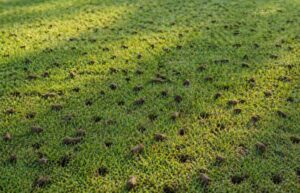
Leave the soil plugs where they land. This surprises a lot of people. Those small clumps sitting on top of the grass aren’t waste, they are full of beneficial microbes and organic material. They break down naturally within two to three weeks and work right back into the soil.
If the look bothers you, wait until they dry out and run your mower over them. That breaks them up faster without removing the nutrients.
Now here is where you can really maximize results. Overseed right after aeration. The holes left in the soil are perfect for seed germination, seeds drop in and make direct contact with soil instead of sitting on top. LawnLove confirms that aerating before overseeding ensures better seed-to-soil contact and stronger root development. For cool-season lawns, fall aeration plus overseeding plus a fertilizer application is one of the most productive combinations in lawn care.
For warm-season lawns, follow your normal fertilizer schedule. Overseed only if you have bare patches that need filling.
Water consistently for the first two to three weeks after aeration. New seed and freshly loosened soil both need steady moisture to recover well.
Read more: Cool-Season Grass Comparison: Make your decision fast
Aeration Mistakes That Are Easy to Avoid
Using a spike aerator on compacted clay. It pushes soil sideways instead of removing it. On dense clay, you are making the problem worse. Core aerator only.
Aerating in drought or heavy heat. Stressed grass doesn’t bounce back well from aeration. Wait for better conditions, or water a couple of days before you start. The soil should be moist enough that a screwdriver pushes in without a fight.
Aerating too often. More is not better here. A low-traffic lawn that gets aerated every single year is being stressed without reason. Match your frequency to your actual lawn conditions not a fixed calendar schedule.
Wrong timing for your grass type. Cool-season grass aerated in midsummer heat. Warm-season grass aerated in fall. Both situations slow recovery and invite weed pressure into disturbed soil.
FAQs
How do I know for sure if my lawn needs it?
Try the screwdriver test. Hard to push in six inches? Compacted soil. Also look for water pooling after rain, patchy growth in worn areas or grass that stays stressed despite regular watering and fertilizing.
Is spring aeration okay?
For cool-season lawns — yes, but only when the lawn is heavily compacted or stressed. Fall is the better default. For warm-season lawns, late spring into early summer is actually the primary window.
Should I aerate before or after overseeding?
Always before. The holes from core aeration give seeds a direct path into the soil. That seed-to-soil contact is what drives strong germination. A light top-dressing of compost after aeration improves results even further.
What about lawns with irrigation systems?
You can still aerate. Just mark every sprinkler head clearly before you begin. Go lighter on passes directly over known irrigation lines and skip deep aeration in those small zones.
How long does recovery take?
Most lawns show visible recovery within one to three weeks. Real improvement in thickness and color usually builds over the following growing season especially when aeration is paired with overseeding and fertilization in one fall session.
The END
Yes, Not because it’s dramatic. But because it addresses something invisible compacted soil that quietly holds a lawn back no matter how well you water or fertilize.
Get the timing right for your grass type. Use core aeration. Do the basic aftercare. For most western homeowners, once every one to three years at the right season is all it takes.
One afternoon of work. Your roots handle the rest. Ok thanks for reading. Bye Bye….