Getting your lawn watering right separates healthy green grass from a yard that’s drowning or dying. Too much water invites disease and washes nutrients into storm drains. Not enough turns everything brown and crispy.
Why Your Watering Schedule Makes or Breaks Your Lawn
Summer brings out two kinds of lawn owners. One group runs sprinklers daily for 10 minutes thinking more is better. The other waits until footprints won’t bounce back before grabbing the hose.
Both kill their grass.
Daily watering keeps roots shallow because they never search deep for moisture. Your turf can not survive heat when roots barely reach 2 inches down. Excess water flushes nitrogen straight through soil. Puddles form in low spots and run into gutters while your lawn stays weak.
Skipping too many watering days stresses grass into a dull gray-green shade. Blades get brittle. Weeds take over bare patches. Your yard looks like old carpet instead of living turf.
Water districts enforce irrigation schedules for good reason. Deep watering twice weekly beats daily sprinkling for conservation and lawn health.
Core Watering Principles That Work
Deep Watering Wins Over Daily Sprinkling
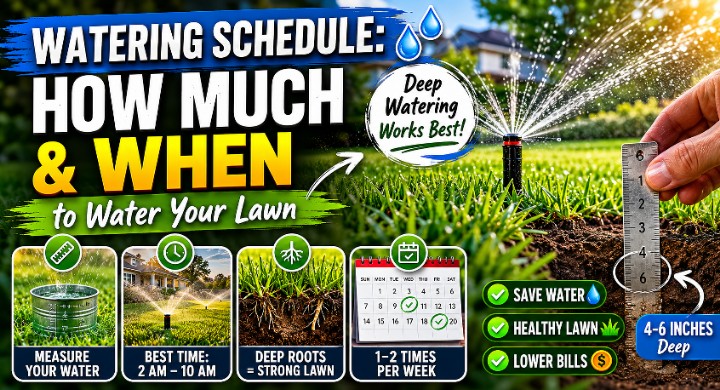
Forget quick 10-minute sessions every day. Soak your soil until water reaches 4 to 6 inches deep.
Test this yourself. Push a screwdriver into your lawn an hour after watering. It should slide down easily to 6 inches. Stops at 3 inches? Run your sprinklers longer.
Once or twice weekly beats daily sessions hands down. Deep watering forces roots downward hunting for moisture. Deeper roots mean tougher grass that survives summer without constant watering. Professionals who follow deep watering often see transformed lawns within weeks.
Aim for 1 to 1.5 Inches Weekly
Established lawns need roughly 1 to 1.5 inches total each week. Count whatever rain falls plus irrigation you add.
Soil type matters here. Sandy ground drains fast so split your weekly amount into shorter frequent sessions. Clay holds moisture longer meaning fewer watering days but extended run times to push water deep without runoff. Loam falls in between and handles standard twice-weekly schedules fine.
Stop Guessing and Measure Output
Set out 5 to 8 straight-sided cans across your lawn. Tuna cans work great for this.
Run sprinklers for 30 minutes then measure water in each can. Add measurements together and divide by can count for your average.
Got half an inch in 30 minutes? You need an hour to hit your weekly inch. Quarter inch means 2 hours of run time. Now you know exactly how long instead of guessing.
Read More: Mowing Height Guide: How Short Should You Cut Your Grass?
Best Times to Water Your Lawn
Morning Hours Between 2 AM and 10 AM
Early morning lets water soak in before sun starts evaporating moisture. Wind stays calm so water lands on grass instead of blowing onto pavement.
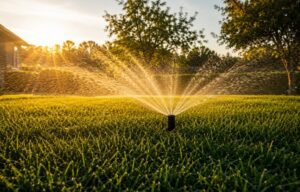
Grass blades dry by mid-morning which stops fungal diseases that thrive on damp turf overnight. Research shows that early morning watering significantly reduces disease problems compared to evening sessions.
Evening watering after work leaves grass wet until morning. Perfect conditions for disease. Skip evening sessions unless absolutely necessary.
When to Skip Your Scheduled Day
Heavy rain means turn off your system. Sprinklers running during storms waste water because timers were not adjusted.
Do that screwdriver test before watering. Pushes down 4 to 6 inches easily? Your soil has plenty of moisture already.
Read More: February Lawn Preparation 7 Steps to Get Ready for Spring
Weekly Watering Frequency
One to two deep sessions weekly keeps established lawns healthy under typical conditions. Sounds less frequent than expected but deep watering delivers results shallow sprinkling never achieves.
Spring and early summer with moderate temps and regular rain? Once or twice weekly covers it. Track natural rainfall and adjust irrigation to fill gaps.
Hot summer months or drought pushes some regions to two or three weekly session . Still deep watering though, not short daily sprays that spike water bills without helping grass.
Read more: Best Time of Day to Mow Your Lawn
Seasonal Adjustmentsyyyyy
Winter and Early Spring
Many districts advise turning off irrigation in winter when rainfall is usually sufficient. Natural precipitation provides everything needed when temperatures drop and evaporation slows.
Cool weather means minimal active growth. Your lawn needs little moisture. Turn systems off from late fall through early spring.
Summer Heat Period
Hot dry climates crank up water needs. Some areas allow two to three irrigation days weekly during peak heat.
Smart timers and rain sensors automatically reduce watering after storms and adjust schedules based on weather instead of fixed calendars. Studies indicate that weather-based irrigation controllers cut outdoor water use substantially compared to standard timers. Water agencies offer rebates for these systems because they save significant water.
Reading Water Signals From Your Grass
Signs Your Lawn Needs Water
Walk across grass and check behind you. Footprints staying visible instead of springing back mean water is needed. Healthy turf bounces back within seconds.
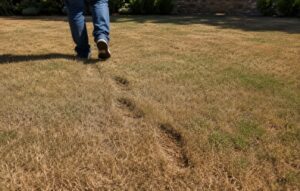
Color shifts tell the story too. Rich green means good hydration. Dull gray-green indicates thirst. Water before things turn crispy brown.
Overwatering Red Flags
Standing water or runoff often appears within minutes when applying too much. Water pooling on surface or running into gutters means soil can’t absorb it fast enough.
Spongy mushy soil indicates excess moisture. Grass may pull up easily with shallow roots. Fungus develops when conditions stay wet constantly. Reduce frequency or duration.
Read more: Here Are Some Basic Lawn Care Steps Every Homeowner Should Know
Smart Irrigation Tips
Maximize Sprinkler Efficiency
Run can tests for each yard zone. Coverage varies dramatically between areas. Front lawn requirements differ completely from backyard needs.
Adjust heads so water hits only grass and beds. Systems waste massive amounts blasting sidewalks and driveways where it runs straight to storm drains. Extension research confirms that improper sprinkler placement wastes significant water through runoff and overspray.
Smart Controller Benefits
These systems check forecasts and soil moisture then adjust schedules automatically. Less water used while maintaining healthier lawns because adjustments happen based on actual conditions.
Water agencies provide rebates or incentives for smart system installation. Check local district programs. Rebates reach hundreds of dollars for switching.
Step-by-Step Watering Plan
Test soil type first. Squeeze moist soil hard. Sandy crumbles immediately. Clay forms tight balls. Loam holds together loosely then breaks apart.
Run can tests to determine exact sprinkler run time for 1 to 1.5 inches weekly.
Schedule one or two deep sessions each week during morning hours. Program timers and add rain sensors.
Monitor for runoff or stress over coming weeks. Adjust run times as conditions shift through growing season.
Common Mistakes to Avoid
Daily shallow watering creates the biggest problems. Weak roots stay near surface inviting disease. Switch to deep watering for transformation.
Set-and-forget timers waste water and money. Check moisture regularly and adjust based on what grass shows you.
Ignoring weather changes burns through water needlessly. Skip scheduled days after 2-inch rains. Watch for heatwaves requiring extra sessions even off calendar.
Dialing in your schedule takes initial effort but maintaining healthy lawns gets easier afterward. Grass develops deeper roots, better color and thick growth that looks great all season.
FAQs
1. Should I water my lawn every day in summer?
No, Daily watering keeps roots shallow near the surface. Water once or twice weekly instead, soaking soil down 4 to 6 inches each time. Deep watering forces roots downward where they access moisture during hot weather. Your grass becomes more drought-tolerant this way.
2. How long should sprinklers run each session?
Most sprinklers need 45 minutes to 2 hours for delivering an inch of water. Place tuna cans around your yard, run sprinklers 30 minutes, measure what collected, then calculate time needed for your weekly inch. Every system outputs differently so testing removes guesswork.
3. What time of day is best for watering?
Early morning between 2 AM and 10 AM works best. Calm winds reduce drift. Cooler temperatures limit evaporation. Grass blades dry by mid-morning preventing fungal problems. Evening watering leaves turf damp overnight which invites disease issues.
4. Does rainfall count toward my weekly watering needs?
Rain counts as part of your 1 to 1.5 inch weekly target. Set out rain gauges to measure amounts. If you get an inch of rain, skip irrigation that week. Smart controllers automatically adjust scheduled watering after storms.
5. Why is my grass still brown after I water it?
Brown grass after watering usually indicates shallow roots from frequent light sessions. Switch to deep watering immediately. Research shows that proper watering practices help lawns recover as roots grow deeper over several weeks. Compacted soil can also prevent water from penetrating. Aerate your lawn if water runs off without soaking in.
The END
Getting watering right makes lawn maintenance easier. Deep watering once or twice weekly builds stronger root systems that handle heat and drought better than daily shallow sessions.
Measure your sprinkler output with the can test. Schedule early morning sessions when evaporation stays low. Adjust based on soil type and track rainfall to avoid wasting water.
Watch your grass for signals. Footprints that don’t bounce back mean it needs water. Runoff or mushy soil means reduce frequency or duration. Smart controllers adjust automatically for weather and soil conditions. Many water agencies offer rebates that make upgrading more affordable.
At Ex Landscaper, we recommend checking your schedule every few weeks as seasons change. Small adjustments keep grass healthy without excess water use. Deep watering creates lawns with stronger roots that need less frequent attention once established. Okay, thanks for reading and if you have any question just comment bellow. Bye